
Domestic Violence Victim Advocate Lawyer: Know Your Rights

Are you stuck in a cycle of abuse? Wondering if legal help can change your life? A Domestic Violence Victim Advocate Lawyer can be a strong ally on your path to safety and justice.
Domestic violence affects millions of Americans each year. It brings complex legal and emotional issues. A DV lawyer gives vital support, guiding victims through the legal world with care and knowledge.
These lawyers know each case is different. They offer detailed legal help to protect victims’ rights. They work to keep victims safe and seek justice through smart legal steps.
Key Takeaways
- Domestic Violence Victim Advocate Lawyers offer specialized legal protection
- Professional legal support can help break the cycle of abuse
- Victims have multiple legal options and rights
- Comprehensive support extends beyond courtroom representation
- Legal advocacy can provide emotional and practical empowerment
Understanding Domestic Violence
Domestic violence is a big problem in the United States. It affects many people. A Victim Rights Lawyer knows how hard it is for survivors.
Domestic violence is more than just hitting. It includes many ways to control someone. A Domestic Violence Attorney sees how abusers use power.
Defining Domestic Violence
Domestic violence is when someone uses power to control a relationship. A Protective Order Lawyer helps victims know their rights.
- Physical abuse involving physical force
- Emotional manipulation and psychological trauma
- Financial control and economic abuse
- Sexual coercion and assault
- Digital harassment and technological stalking
Types of Domestic Violence
Domestic violence comes in many harmful ways. Each type is meant to make a victim feel unsafe and not in control.
- Physical Abuse: Direct bodily harm including hitting, pushing, or restraining
- Emotional Abuse: Verbal attacks, constant criticism, and psychological manipulation
- Financial Abuse: Controlling economic resources and preventing financial independence
- Sexual Abuse: Forced sexual interactions and reproductive coercion
Signs of Abuse
It’s important to know the signs of abuse. Victims often feel scared, alone, and not good enough.
- Constant criticism and belittling
- Extreme jealousy and possessiveness
- Unpredictable emotional outbursts
- Threats of violence or self-harm
- Restricted social interactions
Role of a Domestic Violence Victim Advocate Lawyer
Domestic violence cases need special legal help. A Family Law Lawyer who focuses on Domestic Abuse Legal Help is very important. They help survivors deal with tough legal issues.
Victim advocate lawyers give a lot of help. They support survivors in many ways, both legally and personally.
Legal Representation Strategies
DV Legal Guidance means using a special way to help survivors. These lawyers know a lot about the law in domestic violence cases.
- Comprehensive case evaluation
- Strategic evidence gathering
- Protection order applications
- Court representation
Emotional Support Framework
These lawyers also give emotional support. Trauma-informed legal representation helps survivors deal with their feelings during legal fights.
| Support Service | Purpose |
|---|---|
| Confidential Counseling | Provide safe emotional processing |
| Resource Referrals | Connect clients with support networks |
| Compassionate Communication | Ensure client feels heard and validated |
Choosing a dedicated domestic violence advocate lawyer means getting all the help you need. This is very important during hard times.
Importance of Hiring a Victim Advocate Lawyer
Going through the legal system of domestic violence is hard. An Abuse Victim Lawyer is very important. They help victims know their rights and fight for them.
Victims of domestic violence have many legal problems. A Domestic Violence Court Lawyer is key in keeping them safe and getting justice.
Knowledge of Laws and Regulations
Legal experts know a lot about domestic violence laws. They are good at:
- Knowing state and federal protective order laws
- Understanding legal steps for domestic violence cases
- Interpreting complex laws
Protection of Victims’ Rights
Legal help for domestic violence focuses on protecting victims’ rights. Lawyers work hard to:
- Get legal protection fast
- Stop more harm
- Keep legal talks private and respectful
Navigating Legal Processes
The legal world can be scary for survivors of domestic violence. A victim advocate lawyer offers comprehensive support. They help navigate the legal system with care and skill.
Choosing a lawyer who specializes in domestic violence makes victims feel strong. They become their own advocates for safety and justice.
How to Choose the Right Lawyer
Finding the right lawyer is very important for survivors of domestic violence. A good Victim Advocacy Lawyer can help a lot. They can guide you through tough legal issues and protect your rights.
When looking for a Family Court Attorney for domestic violence cases, think about these things:
- Do they have experience with domestic violence cases?
- Have they helped many survivors before?
- Do they understand and care about what you’re going through?
- Can they explain things clearly to you?
Experience with Domestic Violence Cases
A lawyer with lots of experience in domestic violence knows a lot. They should have:
- Many successful cases under their belt
- Know the laws about protective orders well
- Connections with local support groups
- Learned how to handle cases with care
Reputation and Client Reviews
Look up lawyers online and ask for recommendations:
- Online review platforms
- State bar association suggestions
- Referrals from local victim support groups
Availability and Communication
Your Victim Advocacy Lawyer should be easy to reach and talk to. They should explain things in a way you can understand. Pay attention to how they:
- Talk to you
- Get back to you
- Listen to what you say
- Work hard on your case
Legal Services Offered by Domestic Violence Lawyers
Victims of domestic violence face tough legal challenges. A domestic violence lawyer gives important DV legal advice. They help survivors protect their rights.
Experienced lawyers near you offer many legal services. They support and empower victims in legal cases.
Restraining Orders: Immediate Protection
Legal support starts with keeping you safe. Lawyers help get restraining orders. These orders stop abusers from:
- Contacting the victim
- Approaching home or workplace
- Communicating through digital platforms
- Maintaining proximity to protected individuals
Divorce and Custody Matters
Domestic violence affects family law. Lawyers help victims by:
- Documenting abuse evidence
- Protecting children’s best interests
- Negotiating favorable custody arrangements
- Ensuring victim and children’s safety
Compensation Claims
Victims may get money for damages. Domestic violence lawyers help clients get:
- Medical expenses
- Therapy costs
- Lost wages
- Property damage
Legal pros know how to get justice. They support survivors with detailed legal help.
Key Laws Related to Domestic Violence
Understanding domestic violence laws is hard. A protective lawyer knows both federal and state laws. They help victims know their rights and get legal help.
An abuse law expert knows laws on domestic violence are complex. Victims need help to know their legal rights.
Federal Protective Measures
The federal government has laws to help victims of domestic violence:
- Violence Against Women Act (VAWA)
- Family Violence Prevention and Services Act
- Federal Stalking Prevention Laws
State-Specific Legal Frameworks
Every state has its own laws on domestic violence. Important differences include:
- What counts as a domestic relationship
- How to get a restraining order
- Rules for criminal cases
Having a good protective lawyer helps victims. They get the help they need to understand and use these laws.
Support Systems for Domestic Violence Victims
Survivors of domestic violence need more than just a lawyer. A Domestic Violence Case Lawyer knows healing takes many resources. These resources help protect and empower victims.
Victims can find important help through different places. These places work together to help victims feel safe and heal. The Victim Rights Legal Guide talks about some key support systems:
Emergency Shelters and Safety Networks
- Confidential residential shelters
- 24/7 emergency housing
- Secure relocation assistance
- Protection from possible abusers
Counseling and Therapeutic Services
Professional counseling is key for survivors. A Domestic Abuse Lawyer Consultation can help find mental health experts. They know about domestic violence.
- Individual trauma counseling
- Group support sessions
- Family therapy options
- Mental health rehabilitation programs
Community Resources and Support Groups
Local communities have lots of support for survivors. These resources give practical help and emotional support through different programs.
- Legal aid clinics
- Financial counseling
- Job training programs
- Child support services
Remember, no survivor has to face domestic violence alone. Many support systems are ready to help you rebuild your life with dignity and strength.
The Legal Process: What to Expect
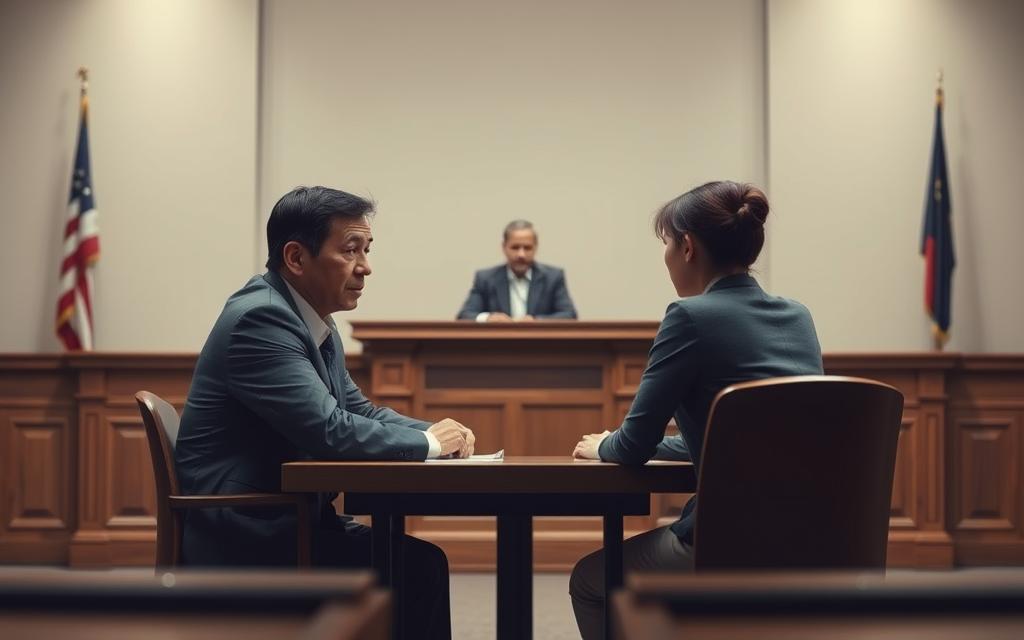
Going through the legal system after domestic violence is tough. A Domestic Violence Victim Advocate Lawyer helps a lot. They guide you with care and know-how through the legal steps.
It’s key to know the legal path if you want safety and justice. The right DV Lawyer makes this hard process easier and more powerful for you.
Initial Consultation: Your First Step
In the first meeting, your Legal Help DV expert will:
- Listen to your whole story
- Look at the details of your case
- Tell you about your legal rights and plans
- Talk about what might happen and what to do
Gathering Critical Evidence
Having good evidence is very important in domestic violence cases. Your Domestic Violence Victim Advocate Lawyer will help you get:
- Medical records of your injuries
- Police reports and other important documents
- Statements from people who saw or heard things
- Messages or emails that show abuse
- Your own story of what happened
Filing a Formal Complaint
Having a pro lawyer makes sure your complaint is strong and well-made. Your DV Lawyer will write and file the right papers. They do this to protect your rights and get the right legal help.
Every step is to keep you safe and get justice. Your legal team is here to help you through this tough time.
Building a Strong Case
Building a strong case needs a smart plan. Victim Rights Lawyers know how important it is to gather all the right legal papers. These papers help protect survivors and prove their stories of abuse.
Creating a solid legal plan includes many key parts. These parts help make the victim’s story strong and believable.
Collecting Complete Evidence
Starting with gathering all the evidence is key. Important papers include:
- Medical records showing injuries
- Police reports and 911 call logs
- Photos of any harm
- Texts and emails
- Recorded threats
Securing Strong Witness Statements
Witnesses can make a big difference in a case. People who might speak up include:
- Family members who saw the abuse
- Neighbors who heard loud noises
- Doctors who treated the injuries
- Friends who supported the victim
Expert Opinions: Professional Validation
Experts add important views that back up the victim’s story. Experts might be:
| Expert Type | Contribution to Case |
|---|---|
| Psychologists | Look at emotional harm |
| Forensic Specialists | Study physical evidence |
| Domestic Violence Counselors | Give insights into behavior |
Every piece of evidence turns a survivor’s story into a strong case. It asks for justice and safety.
Common Misconceptions About Domestic Violence Cases
Domestic violence is a complex issue filled with myths and misunderstandings. A Protective Order Lawyer helps clear up these harmful beliefs. They protect victims’ rights.
Many people believe wrong things about domestic abuse. These beliefs stop victims from getting help. It makes it hard for them to get out of bad situations.
Myths vs. Facts
- Myth: Domestic violence only happens to certain types of people
Fact: Abuse can affect anyone, no matter their age, gender, or background - Myth: Victims can easily leave abusive relationships
Fact: It’s very dangerous and hard to leave - Myth: Domestic violence is a private family matter
Fact: It’s a serious crime that needs legal help
Gender Stereotypes
A Family Law Lawyer knows domestic violence goes beyond gender. Men can be victims, and abuse includes emotional and psychological harm.
Victim Blaming
Victim blaming is a big problem in domestic violence cases. Survivors are often blamed for their situation. This stops them from getting help.
- Never blame the victim for their abuser’s actions
- Remember, abuse is always the abuser’s fault
- Support survivors with kindness and understanding
How Victims Can Protect Themselves
Domestic violence is a serious issue. Victims need DV Legal Guidance to stay safe. Knowing how to protect yourself is key to freedom.
Creating a Safety Plan
A good safety plan is vital for those facing domestic violence. An Abuse Victim Lawyer can help make a plan just for you. Important parts of a safety plan include:
- Identifying safe spaces and emergency contacts
- Preparing an emergency bag with essential documents
- Establishing a secret communication method
- Understanding legal protection mechanisms
Reporting Abuse
Experts say to document all abuse. Victims should:
- Keep detailed records of abusive incidents
- Collect physical evidence when possible
- Contact local law enforcement
- Seek medical attention and document injuries
Seeking Support
Support networks are very important for victims. They offer:
| Support Type | Key Benefits |
|---|---|
| Legal Support | Restraining orders, legal representation |
| Counseling | Emotional healing, trauma recovery |
| Shelter Services | Safe housing, emergency assistance |
Remember, seeking help is a sign of strength, not weakness. Professional support can transform survival into empowerment.
Emotional and Psychological Impact of Domestic Violence
Domestic violence causes deep emotional scars. These scars go beyond just physical harm. A Victim Advocacy Lawyer knows the deep psychological wounds survivors face.
Survivors often feel many strong emotions. These feelings can make their daily lives very hard. A Domestic Violence Court Lawyer sees these important mental challenges:
- Chronic anxiety and panic attacks
- Post-traumatic stress disorder (PTSD)
- Depression and persistent sadness
- Low self-esteem and self-worth
- Difficulty trusting others
Understanding Mental Health Effects
The emotional wounds of domestic violence are very deep. Family Court Attorneys work with mental health experts. Healing needs a complete plan that includes legal help and therapy.
Counseling and Therapy Options
Professional counseling is very important for survivors. There are many helpful therapies:
- Individual trauma-focused therapy
- Group support sessions
- Cognitive behavioral therapy
- Eye movement desensitization and reprocessing (EMDR)
- Stress management techniques
Getting help is a brave step. It’s a way to start feeling better and getting stronger again after domestic violence.
The Role of Law Enforcement
Law enforcement is key in keeping victims safe and handling domestic violence. An Abuse Protection Lawyer knows how victims, abusers, and police work together in these tough times.
When there’s domestic violence, knowing how to report it and get legal help is very important. A Domestic Violence Lawyer Near Me can help victims understand how to work with the police.
Reporting Domestic Violence
Victims should act fast when they’re being abused. Here are some important steps to take:
- Call 911 if you’re in danger
- Write down all the abuse incidents
- Keep any proof of abuse safe
- Ask for a copy of the police report
Investigating Claims
Police have rules for checking out domestic violence cases. DV Legal Advice says victims should know their rights during these checks:
- Officers will talk to both sides alone
- They’ll look for physical evidence
- They’ll see if you’re at risk
- They’ll decide if they should arrest someone
Collaborating with Advocates
Police are teaming up with lawyers who help victims of domestic violence. This teamwork helps protect victims’ rights and gives them full legal support.
Victims should always get legal advice to deal with the complex world of reporting and protecting themselves from abuse.
Advocacy Groups and Resources
Domestic violence victims are not alone. Many groups and resources help them. These groups offer legal and emotional support.
Survivors can find many supports through advocacy networks. An Abuse Law Expert can help find the right resources.
National Coalition Against Domestic Violence
The National Coalition Against Domestic Violence helps victims all over. They do many things to support victims.
- They give educational resources.
- They make policy recommendations.
- They help with laws to protect victims.
- They offer support networks everywhere.
Local Organizations
Local groups are key for immediate help. They offer:
- Shelter services right away.
- Counseling and mental health help.
- Legal advice referrals.
- Healing programs in the community.
Online Resources
Online platforms help survivors too. Virtual resources offer confidential help through:
- 24/7 online chat support.
- Websites with information.
- Digital counseling.
- Safety planning tools.
Using these resources is a big step towards freedom. It helps survivors start rebuilding their lives.
Preventing Domestic Violence
Stopping domestic violence needs many people working together. A Protective Lawyer is key in this fight. They help stop abuse by taking action and speaking up for victims.
Good ways to prevent abuse include many steps. Lawyers who help with domestic violence cases know it takes more than just going to court.
Education and Awareness Programs
Learning is the first step in stopping abuse. Important areas to focus on are:
- School-based awareness programs
- Workplace training on recognizing abuse
- Public awareness campaigns
- Training for healthcare professionals
Community Involvement
Getting the community involved is very important. A Victim Rights Legal Guide suggests:
- Creating support networks
- Establishing local intervention groups
- Supporting survivors through community resources
- Promoting zero-tolerance policies
Policy Changes
| Policy Area | Proposed Changes |
|---|---|
| Legal Protection | Strengthen restraining order enforcement |
| Funding | Increase support for victim services |
| Prevention | Mandate early intervention programs |
Stopping domestic violence needs everyone’s help. Legal experts, communities, and individuals must work together to end abuse.
Conclusion: Your Rights and Options
Survivors of domestic violence have strong legal ways to take back their lives. A Domestic Violence Victim Advocate Lawyer is key in helping them. They make sure victims know their rights and how to stay safe.
Getting legal help for domestic violence is more than just going to court. Advocates give full support, helping survivors through tough legal times. They focus on safety and healing. The first step to freedom is talking to a Domestic Abuse Lawyer.
Empowerment Through Legal Advocacy
Understanding legal options and getting help is the first step to empowerment. Victims can change their lives with the right lawyers. These experts know how to protect rights and help people be independent.
Continuing Support for Victims
Recovering from domestic violence is a long journey. Survivors can find many resources to help them. These include counseling, support groups, and programs to help rebuild confidence and safety plans.
Every survivor deserves respect, protection, and a chance to start anew. With legal help and support, they can face tough times and make positive changes in their lives.



Leave a Comment