
Police Misconduct Lawyer Free Consultation: Know Your Rights

Have you ever wondered what protection exists when law enforcement crosses the line? Police misconduct can shatter lives, leaving victims feeling vulnerable and powerless. A free consultation with a skilled civil rights lawyer might be the first step toward justice.
The legal landscape surrounding police brutality is complex and challenging. Victims often feel overwhelmed by the prospect of challenging law enforcement. A police misconduct lawyer free consultation provides a critical lifeline, giving expert guidance without financial risk.
Understanding your rights is key when facing police misconduct. The Shaw Law Group specializes in helping individuals navigate these difficult legal waters. They offer compassionate and strategic representation for those who have experienced injustice.
Key Takeaways
- Free consultations offer risk-free legal advice for possible police misconduct cases
- Victims have important legal rights that can be protected by experienced attorneys
- A civil rights lawyer can help assess the strength of your case
- Police brutality claims require specialized legal expertise
- Initial consultations help victims understand their legal options
Understanding Police Misconduct
Police misconduct is a big problem. It breaks the trust between police and the public. If you think a police officer did something wrong, you might need a lawyer.
Police are supposed to keep us safe. But sometimes, they do bad things. This is when you need a lawyer who knows about police abuse.
Defining Police Misconduct
Police misconduct means police doing things they shouldn’t. This can be small mistakes or big problems with the law.
Types of Police Misconduct
- Excessive use of physical force
- Illegal searches and seizures
- False arrests
- Sexual harassment
- Racial profiling
- Fabricating evidence
Common Case Examples
| Misconduct Type | Legal Implications |
|---|---|
| Excessive Force | Potential civil rights violation |
| False Arrest | Potential lawsuit for wrongful detention |
| Evidence Tampering | Criminal charges against officer |
Knowing about these issues can help you. It tells you when you might need a lawyer.
Why You Need a Lawyer
Going through a police misconduct lawsuit is tough. It needs a lawyer who knows the law well. A good lawyer can make a big difference in your case.
Getting a lawyer for police misconduct claims is very important. The law around police actions is complex. It involves knowing about constitutional rights and legal steps.
Importance of Legal Representation
Choosing a lawyer who knows police misconduct is key. They offer many benefits:
- They understand police policies well.
- They can look into complex legal claims.
- They protect your rights.
- They know how to gather evidence.
How a Lawyer Can Help Your Case
Talking to a police misconduct lawyer can show how strong your case is. They help in many important ways:
| Legal Support Stage | Specific Actions |
|---|---|
| Initial Case Assessment | Evaluate evidence, determine legal viability |
| Evidence Collection | Gather witness statements, police records, video evidence |
| Legal Strategy Development | Build compelling argument, identify legal precedents |
| Negotiation and Litigation | Represent client in settlement talks or court proceedings |
Your lawyer fights for you. They make sure your voice is heard and your rights are protected. A lawyer who knows police misconduct can challenge police actions well.
Knowing Your Rights
It’s key to know your legal rights when dealing with police. This knowledge helps you feel more confident in police encounters. Getting advice on civil rights is important to protect yourself.
People have special rights when facing law enforcement. These rights keep you safe from unfair treatment. A lawyer can explain these rights to you.
Your Rights During an Arrest
Here are your rights when you’re arrested:
- Right to remain silent
- Right to refuse consent to searches without a warrant
- Right to know the reason for your detention
- Right to request a lawyer
Rights Related to Excessive Force
Legal help is key if police use too much force. You have the right to be safe from physical harm during police stops.
| Type of Right | Specific Protection |
|---|---|
| Physical Safety | Protection from unnecessary physical force |
| Dignity | Right to be treated with respect |
| Legal Representation | Right to legal counsel during questioning |
Understanding the Fourth Amendment
The Fourth Amendment guards against unfair searches. It makes sure police need a good reason or a warrant to search. This keeps your privacy safe.
Knowing these rights helps you protect yourself. It also helps you know what to do if your rights are broken during police stops.
The Role of a Police Misconduct Lawyer
Dealing with police misconduct is very complex. A good police rights lawyer is key in helping those who have been wrongly treated. They fight for justice and make sure the police are held accountable.
A police accountability lawyer has many important jobs. They help with cases of police wrongdoing. Their main tasks are:
- Conducting thorough case investigations
- Gathering critical evidence
- Identifying legal violations
- Protecting client rights during legal proceedings
Investigating Misconduct Claims
Police complaint lawyers look at every detail of a case. They check police reports, talk to witnesses, and look at videos and medical records. This helps build a strong case and shows the truth.
Building Your Case
Creating a strong legal argument takes careful planning. Lawyers work with clients to tell their story. They find out what laws were broken and gather evidence. They also work with experts to make the case strong.
Negotiating Settlements
Good lawyers can often solve cases without going to court. They know how to talk to the other side to get fair deals. They use their knowledge to get the best results for their clients.
Free Consultation Explained
Going through a police misconduct lawsuit can be very hard. A free consultation is a key first step. It helps you understand your legal options for police brutality legal help. This meeting lets you explore your rights without spending money.
At a free consultation, lawyers who know police misconduct will look at your case closely. They know how hard it can be to deal with legal issues from police actions.
What to Expect During Your Initial Meeting
Your first meeting will likely include:
- Comprehensive case review
- Preliminary legal assessment
- Discussion of possible strategies
- Explanation of your legal rights
Important Questions to Ask
When you’re looking for help with a police misconduct lawsuit, ask these questions:
- What’s the strength of my case?
- What kind of compensation could I get?
- What are the legal deadlines I should know about?
- How experienced are you, and what are your success rates?
Benefits of a Free Consultation
A free consultation has many benefits, such as:
- Risk-free case evaluation
- Professional legal advice
- Understanding what might happen in your case
- Chance to see if you click with the lawyer
Good law firms give these consultations. They want to help you understand your options without adding to your financial stress.
How to Choose the Right Lawyer
Finding the right lawyer for police misconduct cases is very important. These cases are complex and need a lawyer who knows them well.
Essential Criteria for Selection
- Proven track record in police misconduct cases
- Deep understanding of constitutional rights
- Extensive experience in local and federal law enforcement litigation
- Strong investigative resources
- Commitment to client communication
Key Questions to Evaluate Possible Lawyers
- How many police misconduct cases have you successfully resolved?
- What is your specific approach to investigating these complex cases?
- Can you provide references from previous clients?
- What is your success rate in negotiating settlements?
Experience and Expertise Matters
A police misconduct legal consultation needs a lawyer with special knowledge. Look for lawyers who:
| Expertise Area | Importance |
|---|---|
| Constitutional Law | Critical for understanding rights violations |
| Civil Rights Litigation | Essential for a good case strategy |
| Law Enforcement Procedures | Crucial for spotting misconduct patterns |
Remember, the right lawyer can turn your legal challenge into a way to find justice and hold people accountable.
Gathering Evidence
When you’re dealing with a police misconduct case, getting strong evidence is key. A good police misconduct case lawyer knows that having all the right documents is important. They help you collect evidence in a way that protects your rights.
To build a strong case, you need to do a few important things:
- Write down what happened right after it happens
- Keep safe any physical or digital evidence
- Find people who saw what happened
- Get medical records and official reports
Types of Critical Evidence
There are many kinds of evidence that can help your case. Here are some important ones:
- Video Footage: Body cam videos, surveillance footage, phone recordings
- Medical Documentation: Hospital records, photos of injuries, treatment reports
- Witness Statements: Stories from people who saw what happened
- Official Records: Police reports, complaints, disciplinary actions
Witness Testimony Importance
Witnesses are very important in police misconduct cases. Their stories can back up what you’re saying. A good lawyer will tell you to get statements from anyone who saw the incident.
Preserving Your Evidence
You need to act fast. Digital evidence can get lost, and physical evidence can spoil. Talking to a lawyer right away helps keep your evidence safe and protects your case.
Legal Process Overview
Understanding the legal journey in a police misconduct lawsuit is key. A civil rights lawyer offers vital advice. They help victims seek justice.
Victims face a structured process when suing law enforcement. It can be tough but might lead to justice.
Initial Steps in a Police Misconduct Lawsuit
The legal process starts with important steps:
- Scheduling a police misconduct lawyer free consultation
- Documenting all evidence of misconduct
- Filing an official complaint
- Identifying possible witnesses
Case Timeline Expectations
A typical police misconduct case timeline is:
- Initial Consultation: 1-2 weeks
- Evidence Gathering: 2-4 months
- Filing Lawsuit: 3-6 months
- Potential Settlement/Trial: 6-18 months
Potential Case Outcomes
Police misconduct lawsuits can end in different ways:
- Financial settlements
- Policy changes in law enforcement
- Disciplinary action against officers
- Monetary compensation for damages
Having an experienced civil rights lawyer boosts your chances of success. They protect your rights during the legal process.
Common Defenses Used by Police
When facing a police misconduct lawsuit, law enforcement agencies use special defense plans. A good police brutality attorney knows how to fight these plans.
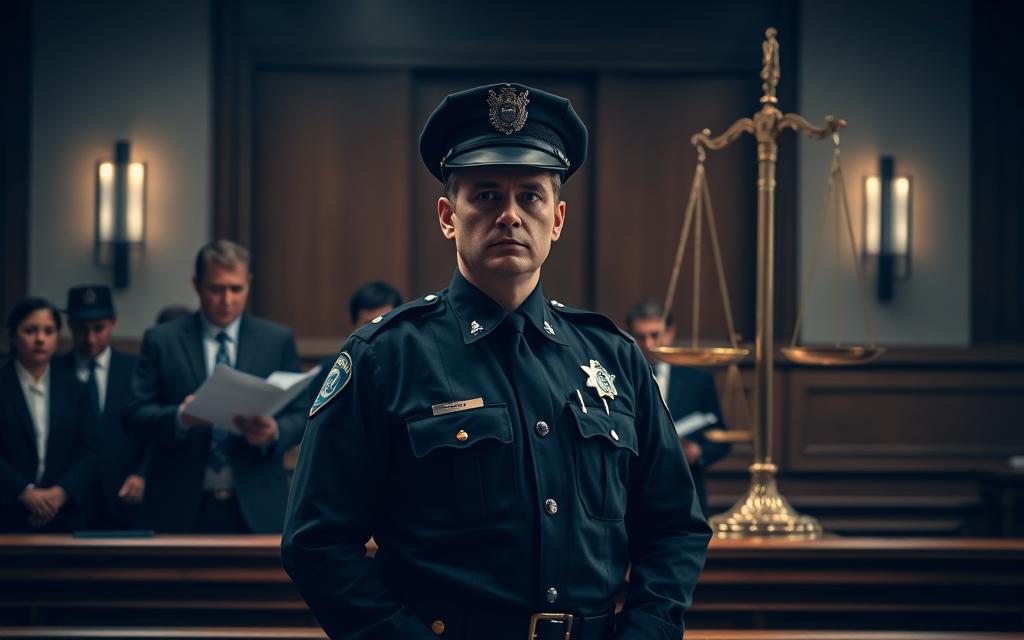
Police departments use many defense strategies when they face misconduct claims. These plans help them avoid legal trouble and protect officers from financial and job losses.
Primary Defense Strategies in Misconduct Cases
- Qualified Immunity: A legal rule that protects officers unless they clearly break the law
- Claim of Following Standard Operating Procedures
- Assertion of Justified Use of Force
- Challenging the Credibility of Witnesses
Rebutting Police Legal Defenses
An experienced law enforcement complaint lawyer can challenge these defenses. They do this by collecting evidence, finding policy violations, and showing patterns of misconduct. Getting help for misconduct requires a deep investigation and smart legal planning.
Key Strategies for Challenging Police Defenses
- Gathering all the evidence
- Finding specific policy violations
- Showing past misconduct patterns
- Expert testimony from law enforcement
Winning legal battles against police requires knowing the law and rights well. Attorneys who specialize in police misconduct cases can help victims. They know how to fight in these complex legal areas.
Case Studies and Examples
Real-world examples show how important a police abuse lawyer is. They help victims get justice. These cases show the big challenges victims face.
The Shaw Law Group talked about a big case. A man was wrongly locked up for two years. Now, he’s suing the District Attorney and police officers.
Noteworthy Police Misconduct Cases
Many cases show police misconduct needs legal help:
- A 2018 case in Chicago showed racial profiling
- A lawsuit in California challenged police force in traffic stops
- An Ohio case got a man money for a wrong arrest
Lessons Learned from Previous Cases
Important lessons from these cases are clear:
- Having proof is key to a strong case
- Getting a lawyer fast can stop more problems
- Lawyers know how to handle legal stuff
Every case shows the need for a good lawyer. They help victims and fight for their rights. They also help get the right money for what happened.
The Impact of Police Misconduct
Police misconduct hurts a lot of people and communities. It breaks the trust between people and those who are supposed to help them. This is very bad for everyone.
Physical and Emotional Damage to Victims
People hurt by police misconduct suffer a lot. They might get hurt physically or feel very scared and sad. A lawyer can help them get justice and money for their pain.
- Physical injuries from excessive force
- Psychological distress and emotional suffering
- Loss of personal dignity and self-worth
- Ongoing anxiety and possible post-traumatic stress
Broader Community Implications
Police misconduct affects many people in a community. A lawyer can help fix big problems, not just one case. This can make people not trust the police anymore.
- Decreased cooperation with law enforcement
- Increased social tensions
- Reduced public safety effectiveness
- Potential escalation of conflicts
Fixing police misconduct needs strong legal plans. These plans help people and communities heal.
Financial Considerations
Dealing with the money side of a police misconduct lawsuit is tough. It’s key to know the costs and what you might get back. This is important if you’re thinking about suing with a police rights lawyer.
People hurt by police often fear the cost of suing. But, most lawyers make it easier to get help.
Legal Fees and Costs
Here are some usual costs in a police misconduct case:
- Court filing fees
- Expert witness costs
- Investigation expenses
- Legal research and documentation
Understanding Contingency Fees
Many lawyers work on a special fee plan. This means:
- You don’t pay anything upfront
- Lawyers only get paid if they win
- Their fee is a part of what you get back
| Compensation Type | Potential Amount |
|---|---|
| Medical Expenses | Actual costs incurred |
| Lost Wages | Income lost due to injury/legal process |
| Pain and Suffering | Varies based on case severity |
| Punitive Damages | Additional penalty for extreme misconduct |
Potential Compensation for Victims
Victims might get money for many things. This includes medical bills, lost wages, emotional pain, and extra penalties. A good police rights lawyer can help get you more money.
The main goal is to make sure money doesn’t stop victims from getting justice. It’s about making sure the law is fair.
Statute of Limitations
Understanding the legal world of police misconduct is key. A police complaint lawyer helps victims know when to file claims. These time limits are very important for seeking justice.
How long you have to file a claim changes based on several things. Each place has its own rules that affect your rights.
Time Limits for Filing a Claim
- Federal claims usually have 2-3 years to file
- State claims can be 1-6 years
- Claims against the government often have shorter times
Exceptions to Standard Time Limitations
Police brutality cases sometimes have special rules. These rules can change or extend the usual time limits. Key exceptions include:
- Delayed discovery of misconduct
- Cases involving minors
- Ongoing criminal investigations
| Claim Type | Typical Time Limit | Notable Exceptions |
|---|---|---|
| Civil Rights Violations | 2-3 Years | Concealed Misconduct |
| Personal Injury Claims | 1-2 Years | Victims Under 18 |
| Federal Lawsuits | 3 Years | Ongoing Investigations |
It’s very important to talk to a police misconduct lawyer right after something happens. They can guide you through the legal process and protect your rights.
Resources for Victims
Dealing with police misconduct can feel really tough. Victims need help and support to protect their rights. A police misconduct law expert can guide them through the process.
- Civil Rights Organizations
- Legal Aid Services
- Counseling and Mental Health Support
- Community Advocacy Groups
National Support Organizations
Some key groups help with police misconduct lawsuits:
| Organization | Focus Area | Contact Information |
|---|---|---|
| American Civil Liberties Union (ACLU) | Civil Rights Protection | www.aclu.org |
| National Lawyers Guild | Legal Representation | www.nlg.org |
| National Police Accountability Project | Police Misconduct Research | www.nlg-npap.org |
Filing a Complaint
Victims should follow these steps when seeking legal help:
- Document the incident in detail
- Gather evidence (photos, witness statements)
- Contact local police internal affairs
- File a formal written complaint
- Seek legal consultation with a specialized attorney
Remember: Timely documentation and professional legal guidance are key to handling police misconduct.
Conclusion: Taking Action
Dealing with police misconduct is very hard and scary. People who face this have important rights. A good lawyer can help you through the legal stuff.
Start by keeping all records from the incident. Collect medical records, witness info, and any photos or videos. A free lawyer consultation can help you keep important evidence.
The Shaw Law Group knows how tough it is to deal with police misconduct. They have lawyers who can help you understand your options. They work to get you justice. Getting a lawyer helps protect your rights and makes the system better.
Next Steps for Victims
If you think you’ve been treated unfairly by police, act fast. Find a lawyer who specializes in police misconduct. They can help protect your rights and find a way to get you justice. You’re not alone, and a lawyer can really help.

Leave a Comment