
International Human Rights Lawyer USA: How to Take Action

Can one lawyer really change the world? Yes, an International Human Rights Lawyer in the USA can. They work hard to make big changes in complex legal areas.
Civil Rights Lawyers fight for human rights and justice. They are key in making sure everyone is treated fairly. This job is all about using law to change society for the better.
Working in international human rights law needs a lot of heart and smart thinking. A lawyer in the USA helps connect laws with real-life problems. They make sure everyone’s rights are respected.
Key Takeaways
- Human rights lawyers protect fundamental human dignity
- Legal advocacy can create systemic societal changes
- International human rights work requires specialized skills
- Lawyers can challenge global inequality through legal mechanisms
- Career offers meaningful opportunities for social impact
What is an International Human Rights Lawyer?
An International Law Lawyer who focuses on human rights is very important. They help protect basic freedoms and fight for justice worldwide. These lawyers work hard to help people who are treated unfairly.
These lawyers do more than just legal work. They are strong voices for change, linking laws to real-life problems.
Defining the Professional Landscape
International human rights lawyers work on many important tasks:
- Protecting people who are in danger
- Challenging unfair laws and practices
- Helping groups that are often ignored
- Creating plans for legal changes
Key Responsibilities and Global Impact
These lawyers do many things to make a difference:
- Litigation: They take cases to international courts
- Advocacy: They work to change policies
- Research: They document when rights are broken
- Education: They teach others about human rights
The International Human Rights Clinic at Harvard Law School shows how lawyers can change the world. They show how smart legal actions can lead to big changes.
The Importance of International Human Rights Law
International human rights law is key to protecting everyone’s dignity and freedom. A Global Law Attorney fights for these rights in many places. They work in different cultures and legal systems.
The history of human rights law is complex. It has faced big challenges and important changes. Getting legal advice on human rights is now more important than ever.
Historical Development of Human Rights
Modern human rights law started with big events:
- Post-World War II agreements
- The Universal Declaration of Human Rights in 1948
- Setting up international courts
Current Global Challenges
Today, we face new challenges that need smart legal help. A Human Rights Advocacy Lawyer is key in solving these problems. Issues include:
- Modern slavery
- Human trafficking
- Digital privacy issues
- Helping refugees
| Global Challenge | Legal Response | Key Organizations |
|---|---|---|
| Human Trafficking | International Criminal Prosecution | UN Office on Drugs and Crime |
| Digital Privacy | Comprehensive Data Protection Laws | Electronic Frontier Foundation |
| Refugee Rights | Asylum and Resettlement Protocols | UNHCR |
Dealing with these issues needs strategic legal actions. We must work together to protect human rights worldwide.
How to Become an International Human Rights Lawyer
To be a Rights Protection Lawyer, you need dedication and passion. You also need a good plan for your education. This path helps you make a big difference in human rights.
Starting your journey as a Human Rights Lawyer Near Me means a strong education first. You should learn specific skills and get the right degrees.
Educational Roadmap
- Get a bachelor’s degree in political science or international relations.
- Go to a law school that focuses on international law.
- Take special courses in human rights law.
- Join clinical programs and internships.
Essential Skills for Success
Human rights lawyers need special skills. Critical thinking, speaking many languages, and feeling empathy are key.
| Skill Category | Key Competencies |
|---|---|
| Communication | Multilingual, public speaking, writing reports |
| Research | Deep legal research, analyzing documents |
| Interpersonal | Understanding cultures, negotiating, solving conflicts |
Professional Certifications
To grow in international human rights law, keep learning and get special certifications. Get recognized by international legal groups to boost your career.
- International Human Rights Law Certificate
- Transitional Justice Specialization
- Humanitarian Law Certification
Becoming an international human rights lawyer takes hard work and a big heart. With the right education and career steps, you can fight for justice all over the world.
Career Opportunities in Human Rights Law
The field of human rights law has many career paths. These paths are open to legal professionals who want to make a difference. Civil Liberties Lawyers can work in different areas to protect rights.
Expanding Horizons in Non-Profit Organizations
Non-profit groups are key for Legal Action Human Rights. Lawyers here fight for justice. They do many things, like:
- Defending groups who are treated unfairly
- Planning legal actions
- Working on policy changes
- Helping people who need legal help
Government and International Agency Roles
Jobs in government and international groups are also great. These roles include:
- Creating policies for human rights
- Looking into rights issues
- Speaking for countries in human rights talks
- Coming up with plans for big problems
Private Sector and Corporate Opportunities
Even companies are now focusing on human rights. Law firms like Dentons work on these issues. Lawyers here can:
- Help companies follow the law
- Teach companies how to act ethically
- Find ways to avoid rights problems
- Make plans for companies to help society
Every career path has its own way to help protect human rights and change society for the better.
How Human Rights Lawyers Make a Difference
International Law Experts are key in making global justice better. They fight for human rights and challenge unfair systems. They do this on many international levels.
- Pursuing precedent-setting litigation
- Developing thorough legal plans
- Working on international policy changes
- Helping marginalized groups with legal support
High-Profile Cases that Transformed Human Rights
Some legal actions have changed human rights a lot. These cases tackle big issues like:
- Challenging unfair government policies
- Helping victims of big human rights problems
- Speaking up for those who are most vulnerable
| Case Type | Impact | Global Significance |
|---|---|---|
| Indigenous Rights | Land Protection | Precedent-Setting Legislation |
| Labor Exploitation | Worker Protections | International Labor Standards |
| Refugee Rights | Asylum Policies | Humanitarian Intervention |
Advocacy and Policy Change
International Law Experts help change systems. Their work goes beyond courts, shaping policies and pushing for justice worldwide. They challenge old laws to bring about real change.
Key Organizations in Human Rights Advocacy
Human rights advocacy has strong groups that fight for justice. For an Advocacy Lawyer USA, knowing these groups is key. It helps in enforcing rights and making global legal plans.
International human rights lawyers help these groups. They work together to protect people’s rights and fight against big injustices.
American Civil Liberties Union (ACLU)
The ACLU is a big Rights Enforcement Lawyer group in the U.S. Founded in 1920, it leads in defending rights. It does this by:
- Challenging government too much power
- Protecting free speech
- Stopping discrimination
- Keeping personal privacy safe
Human Rights Watch
Human Rights Watch looks into rights issues all over the world. They use a special approach to help. This includes:
- Doing deep investigations
- Writing detailed reports
- Pushing governments and groups to change
- Showing proof of wrongdoings
Amnesty International
Amnesty International has supporters all over. It fights for rights with campaigns, research, and talking to governments. They focus on:
- Getting people to speak out
- Doing worldwide research on rights
- Helping with specific cases of wrongs
- Pushing for global rights standards
The Role of Technology in Human Rights Advocacy
Digital innovation has changed how we fight for human rights. It lets lawyers share and address violations easily. Now, technology helps bring justice to more people.
Today’s lawyers use new digital tools to help those in need. This mix of tech and human rights opens new ways to make a difference.
Digital Advocacy Tools
Here are some important tech tools for fighting for rights:
- Secure ways to share private info
- Tools to show complex issues in simple ways
- Online systems to start global actions
- Safe ways to collect evidence
Using Social Media for Human Rights Awareness
Social media is key for spreading the word about human rights. Digital campaigns can quickly raise awareness and get people involved. Lawyers and activists use sites like Twitter and Facebook to:
- Post updates on human rights issues
- Start global movements
- Reach people all over the world
- Show and tell about rights violations
By using new tech, advocates can make their work more open and effective. This helps protect everyone’s basic rights.
Global Perspectives on Human Rights Law
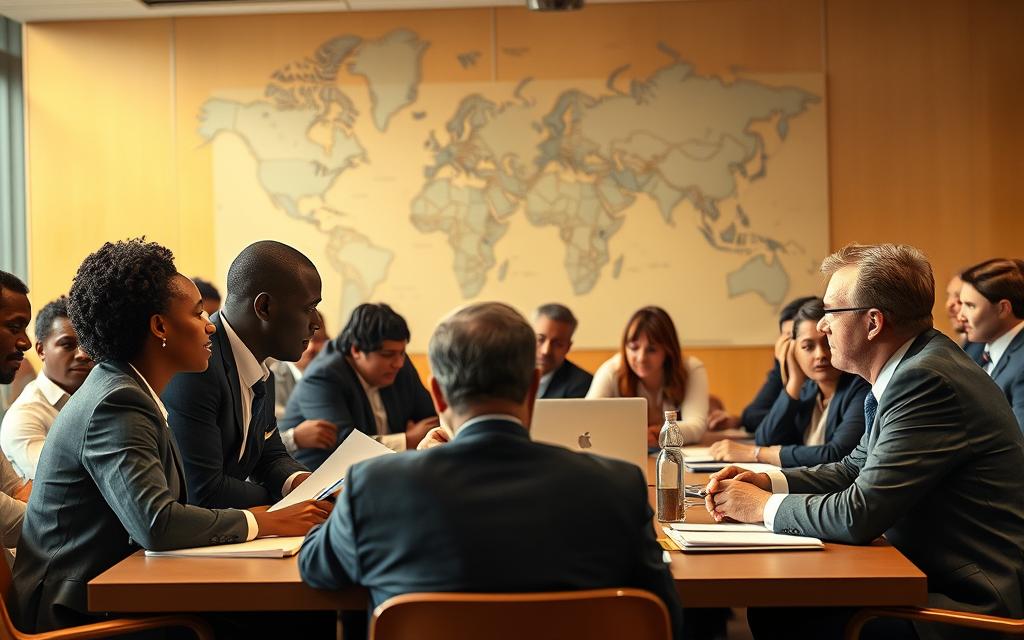
Human rights law is a big deal all over the world. It faces different challenges and chances for lawyers in the USA. Laws vary a lot, making it hard for lawyers to work in many places.
Regional Variations in Human Rights Approaches
Every part of the world has its own way of handling human rights. A lawyer can see big differences in how laws are made and followed:
- North America focuses on protecting each person’s rights.
- Europe puts a lot of effort into social rights.
- In Asia, there’s a balance between group and individual rights.
- Africa is starting to use old traditions in its laws.
Cross-Border Collaborative Strategies
Winning in human rights means working together across borders. A lawyer in the USA needs to build strong connections worldwide. Good ways to do this include:
- Sharing important legal findings and cases.
- Running joint training sessions.
- Setting up help systems that work across countries.
- Working together on big campaigns.
The California Transparency in Supply Chains Act shows how local laws can help people all over. It shows how important it is to have strong laws to protect those who need it most.
Challenges Faced by Human Rights Lawyers
International law lawyers face big challenges when they protect human rights all over the world. Being a civil rights lawyer is tough. It tests their courage, commitment, and strength.
Helping with human rights law is hard. Lawyers have to deal with many legal issues and risks. They need special skills and a strong will to keep going.
Critical Legal Barriers in Human Rights Work
Legal barriers are big problems for human rights lawyers:
- Complex jurisdictional limitations
- Diplomatic immunity restrictions
- Inconsistent international legal frameworks
- Governmental resistance to legal interventions
Safety Concerns During Fieldwork
Civil rights lawyers in dangerous places face big risks. Personal safety is very important when they look into human rights issues in risky areas.
Lawyers might face:
- Physical threats from oppressive regimes
- Potential legal persecution
- Travel restrictions
- Surveillance and harassment
Even with these challenges, human rights legal help is key. It helps bring justice and protect people all over the world. Lawyers in this field show great courage and dedication to human rights.
Understanding Human Rights Treaties and Agreements
International human rights treaties protect people all over the world. They set basic standards for dignity and rights. Lawyers help understand and use these rules.
The world of human rights law is complex and always changing. These treaties help protect basic rights and fight against unfairness.
Major International Treaties Shaping Global Justice
- Universal Declaration of Human Rights (1948)
- International Covenant on Civil and Political Rights
- Convention Against Torture
- International Convention on the Elimination of All Forms of Racial Discrimination
Impact of Treaties on National Legal Systems
International treaties change how countries make laws. They use Human Rights Legal Advice and court decisions. Countries try to match their laws with global standards.
| Treaty | Year Established | Key Protection Areas |
|---|---|---|
| UN Genocide Convention | 1948 | Prevention of Mass Atrocities |
| International Labor Rights Treaty | 1998 | Worker Protections |
| Women’s Rights Convention | 1979 | Gender Equality |
New talks are making human rights protections stronger. There’s talk about making rules for companies to follow human rights.
Resources for Aspiring Human Rights Lawyers
Starting a career as a Human Rights Advocacy Lawyer needs careful planning. You need to find the right resources. Aspiring lawyers must face a tough field with the right education and training.
Finding the right school is key for those wanting to be Rights Protection Lawyers. Top schools have programs that get you ready for tough human rights work.
Educational Institutions and Programs
Future human rights lawyers should look at universities with strong international law courses. Some top schools are:
- Harvard Law School – International Human Rights Clinic
- Columbia University School of Law
- Georgetown University Law Center
- New York University School of Law
Internships and Volunteering Opportunities
Getting hands-on experience is vital for Human Rights Advocacy Lawyers. You can learn a lot from:
- International NGO internships
- United Nations volunteer programs
- Human rights legal clinics
- Pro bono work with Rights Protection Lawyer organizations
Getting involved with these resources can really help your career in international human rights law.
The Future of Human Rights Law
The world of human rights law is changing fast. This brings new challenges and chances for Civil Liberties Lawyers. New global trends are changing how we protect and fight for human rights.
Today’s human rights problems need new solutions. Young lawyers are leading the way. They use new tech and work together across borders to tackle big human rights issues.
Emerging Global Trends
- Climate change-related human rights protection
- Digital privacy and technological accountability
- Corporate human rights responsibility
- Refugee and migration rights advocacy
Technology’s Transformative Role
Digital tools are changing how we talk about human rights. Young lawyers are using social media, data, and global networks. This helps them make their advocacy stronger.
Some big tech changes include:
- Blockchain to record human rights abuses
- AI for legal research
- Virtual teams for work
- Global help for evidence
Young Advocates: Driving Change
The next generation of human rights lawyers is full of passion and tech skills. They mix law with social work. This makes human rights work more flexible and effective.
As the world gets more connected, these young lawyers are coming up with smart plans. They aim to fix big problems and protect human rights all over.
Tips for Effectively Advocating for Human Rights
Advocating for human rights needs smart plans and hard work. Experts in international law know change comes from more than just laws. They say real change needs plans that reach out to many people and use different ways to talk.
Good advocates use many ways to fight for justice and help those in need. They focus on a few key things:
- Creating clear plans for talking
- Using the internet to spread the word
- Connecting with others in their field
- Telling stories that grab people’s attention
Building Public Awareness
Getting people to know about human rights is very important. Strategic communication makes hard legal issues easy to understand. It makes people care.
Some ways to do this include:
- Using social media
- Talking in public
- Making documentaries
- Hosting workshops
Collaborating with Other Organizations
Working together can make a big difference. By teaming up with different groups, advocates can tackle big problems from many angles.
Good teamwork means sharing what you have, working together on research, and joining forces for big campaigns. This way, everyone’s voice is heard louder against human rights wrongs.
Case Studies of Successful Human Rights Campaigns
Human rights advocacy is a strong tool for making big changes. Lawyers who fight for rights are key in showing wrongs and starting big changes in the U.S. and worldwide.
Looking at successful human rights campaigns shows how much good Advocacy Lawyers USA can do. They use smart plans and keep working hard.
Analysis of Impactful Movements
Recent human rights campaigns show important strategies for good advocacy:
- Strategic legal actions
- Public awareness efforts
- Building coalitions
- Working with the media
Lessons Learned from Advocacy Efforts
The International Human Rights Legal Guide shares important lessons from winning campaigns:
- Persistence is key in fighting big problems
- Working together makes a bigger difference
- Using many strategies leads to full change
| Campaign Focus | Key Strategy | Outcome |
|---|---|---|
| LGBTQ+ Rights | Legal Challenges | Marriage Equality |
| Racial Justice | Public Awareness | Policy Reforms |
| Environmental Protection | International Litigation | Corporate Accountability |
These examples show how smart human rights advocacy can tackle big social issues.
Joining the Community of Human Rights Advocates
To be a great Rights Enforcement Lawyer, you need more than law skills. It’s key to have a strong network. This is vital for Global Rights Lawyers who want to help people.
Networking is very important for a Human Rights Case Lawyer’s career. It helps you meet others who share your goals. This can lead to new chances and teamwork.
Professional Organizations to Join
There are many groups where human rights lawyers can network:
- International Bar Association’s Human Rights Institute
- American Society of International Law
- Human Rights Watch Professional Network
- Amnesty International Lawyers’ Circle
Key Networking Opportunities
Lawyers, new or experienced, can find many ways to meet others:
- Annual international conferences
- Online forums for professionals
- Virtual webinars and workshops
- Academic symposiums
| Networking Platform | Focus Area | Membership Benefits |
|---|---|---|
| LinkedIn Human Rights Groups | Digital Networking | Global Connections |
| International Law Conferences | Professional Development | Knowledge Exchange |
| Academic Research Networks | Scholarly Collaboration | Research Opportunities |
Getting involved in these networks can change your career. It offers insights, mentorship, and chances to work together for those who care about human rights.
Taking Personal Action in Human Rights
Every person can help protect human rights. International Human Rights Lawyer USA experts are key, but we can all make a difference. We can fight against Legal Help Rights Violations.
To help, we need to know how. We must take action, not just watch. This way, we can help our communities fight against wrongs.
Strategies for Individual Contribution
- Document possible human rights problems with solid proof
- Get advice from a Human Rights Lawyer
- Report issues through the right legal ways
- Help small groups that fight for human rights
Effective Ways to Support Human Rights Causes
We can all help in big ways:
- Financial Support: Give money to good human rights groups
- Volunteer Work: Help out with local and global groups
- Educational Awareness: Share info about human rights issues
| Action Type | Impact Level | Recommended Effort |
|---|---|---|
| Online Advocacy | Medium | Social Media Campaigns |
| Direct Donations | High | Financial Contributions |
| Community Engagement | High | Local Volunteering |
Our personal efforts can change the world. Even small actions can lead to big changes. Together, we can make a huge difference.
Concluding Thoughts: The Importance of Human Rights Law
Being a human rights attorney is more than a job. It’s a deep commitment to justice worldwide. Lawyers in this field help protect those who are weak and fight against unfair systems.
They work hard to help people who often don’t have anyone to speak for them. This is a big part of their job.
Choosing to work in human rights law takes a lot of courage and strength. It’s a tough job, but it can change lives. Lawyers can make a big difference by using their knowledge and skills to help others.
The Ongoing Struggle for Justice
Today, we really need people who care about human rights. There are many problems around the world that need fixing. Lawyers play a key role in solving these problems.
They help make sure everyone’s rights are respected. Every case they work on is a chance to bring hope and justice to someone’s life.
Call to Action for Aspiring Lawyers
If you want to help make a difference, start by learning and getting involved. Look for special programs and join human rights groups. Find mentors who know a lot about this field.
Your hard work can be a powerful tool for change. It can help fight for human rights all over the world.



Leave a Comment