
DWI Plea Negotiations: When and How to Get the Best Deal

Every year, about 1.5 million drivers get arrested for driving drunk in the U.S. Almost 70% of these cases involve plea deals. Knowing how these legal strategies work can really help people facing big legal problems.
DWI plea negotiations are a key legal option for those charged with drunk driving. They offer a chance to lower charges and penalties. A DUI plea bargain can help avoid the bad effects of a DWI charge.
Going through DWI plea negotiations needs smart planning and expert help. Lawyers and prosecutors talk to find deals that fit both sides. This helps balance fairness with personal situations.
Key Takeaways
- DWI plea negotiations can greatly change case results
- Almost 70% of DWI cases involve plea bargaining
- Having a good lawyer is very important in negotiations
- Plea deals can lower charges and penalties
- It’s key to understand the negotiation process
Understanding DWI Charges in the U.S.
Driving while intoxicated (DWI) is a big deal in the U.S. It’s important to know about DWI charges. This helps when dealing with the legal system.
Exploring DWI Offense Categories
DWI charges can differ a lot. The severity depends on several things:
- Blood Alcohol Concentration (BAC) levels
- Prior criminal history
- Presence of minors in the vehicle
- Potential property or personal damage
Comprehensive Penalties for DWI Convictions
Penalties for DWI convictions can be big. Even if you get DUI reduced charges, you might face:
- Monetary fines ranging from $500 to $2,000
- License suspension periods
- Mandatory alcohol education programs
- Potential jail time
Getting help from a pro is key. It helps lessen the long-term effects.
The Role of Plea Negotiations in DWI Cases
Dealing with a DWI charge is tough. Plea negotiations help defendants lessen the blow. They talk with prosecutors to find a better way to solve the case.
Knowing how to handle DUI plea negotiations is key. A good plan can help a lot in these talks.
Definition of Plea Bargaining
Plea bargaining is when a defendant agrees to a smaller charge. It’s a deal between the prosecutor and defense. This way, they avoid a long trial.
- Reduces court system burden
- Provides more predictable outcomes
- Potentially minimizes legal expenses
Benefits of Entering Plea Negotiations
Good plea negotiations can change a DWI case’s outcome. The benefits are not just for now.
| Benefit | Potential Outcome |
|---|---|
| Reduced Charges | Lower criminal classification |
| Lighter Sentencing | Reduced jail time or alternative penalties |
| Faster Resolution | Quicker legal process |
Strategic plea negotiations can help defendants minimize long-term personal and professional repercussions associated with a DWI conviction.
Factors Influencing Plea Deal Options
Understanding DUI prosecutor negotiations is key. When you face a DWI charge, many things can change your case’s outcome. This includes the chance of getting DUI lesser charges.
DWI cases are complex. Prosecutors look at several important things when deciding on plea options:
Prior Criminal Record
Your past legal history is very important in plea talks. People with:
- No prior criminal record
- First-time DWI offenses
- Clean driving history
Usually get better plea deals. But, those with repeat offenses face tougher talks.
Blood Alcohol Concentration (BAC) Levels
BAC levels greatly affect plea deals. Prosecutors look closely at your arrest’s details.
| BAC Level | Negotiation Impact |
|---|---|
| 0.08% – 0.10% | Potential for reduced charges |
| 0.11% – 0.15% | Limited negotiation options |
| Above 0.15% | Minimal plea bargaining possible |
Aggravating Circumstances
Some factors make it hard for prosecutors to negotiate:
- Accidents with property damage
- Incidents involving injury
- Presence of minors in the vehicle
- Extremely reckless driving behavior
Knowing these factors helps defendants plan their plea talks better. It sets realistic hopes.
Legal Representation: Why It Matters

Going through a DWI case can feel very hard and scary. Getting help from a DUI attorney is key to understanding the legal world and keeping your rights safe. The right lawyer can really change how your case ends.
DWI lawyers know a lot that can help a lot. They look at the evidence closely. They find weak spots in the other side’s case. Then, they build a strong defense for you.
Finding a Qualified Attorney
Looking for a lawyer? Here are some important things to think about:
- Do they specialize in DWI and criminal defense?
- Have they won many cases?
- Do they know the local courts well?
- Do they know the DWI laws in your state?
- Can they talk to you clearly?
The Importance of Experience in DWI Cases
An experienced DWI lawyer knows how to use special strategies. Not all lawyers are the same. A DWI expert can see things that others might miss.
Prosecutors might be more willing to work with lawyers who are really prepared and fight hard. This can lead to better deals and outcomes for you.
Preparing for Plea Negotiations
Getting ready for DUI plea bargain talks is key. You need to gather all your evidence and know what might happen in court.
There are important steps to take:
- Collect all relevant documentation
- Review police reports carefully
- Find any weak spots in the prosecution’s case
- Get witness statements ready
Critical Evidence Gathering
Gathering all the evidence is very important. Your lawyer will tell you to keep track of:
- Traffic stop details
- How field sobriety tests were done
- The results of breath or blood tests
- How the police acted during the arrest
Evaluating Possible Outcomes
You and your lawyer need to look at all possible plea deals. Understanding each option helps you make smart choices when talking to prosecutors.
Knowing your case’s strong and weak points is vital. A good lawyer can guide you through these tough talks.
Common Plea Bargain Agreements
Dealing with DUI cases often means talking about plea deals. These deals can change how a case ends. They help defendants avoid big problems and keep their legal record clean.
Prosecutors might suggest different plea deals to lessen DUI charges. Knowing these options is key to a good legal plan.
Exploring Reduced Charge Options
Reducing DUI sentences often means finding other charges. These charges have less harsh penalties. Some common ones are:
- Reckless driving
- Wet reckless charges
- Negligent driving
- Careless driving
Alternative Sentencing Possibilities
Courts often look at other ways to sentence during plea talks. These options try to help the person change, not just punish them.
| Sentencing Option | Description | Duration |
|---|---|---|
| Probation | Supervised legal monitoring | 6-24 months |
| Community Service | Public work assignments | 40-200 hours |
| Alcohol Education | Mandatory counseling program | 3-9 months |
| Restricted Driving Privileges | Limited license with specific conditions | 6-12 months |
Every plea deal is a chance to lessen legal trouble. Talking to a skilled lawyer is very important to get the best deal.
The Negotiation Process: What to Expect
Talking about a DUI plea agreement needs careful planning. The negotiation process is complex. It requires a smart approach to get the best outcome. Knowing how to deal with the prosecutor is key for defendants wanting to lessen their penalties.
Good plea negotiations have several important parts. These parts can greatly affect the end result of a DWI case.
Initial Prosecutor Discussions
When you first talk to the prosecutor, be ready with all your documents. It’s also important to understand your case well. Here are some steps to prepare:
- Gather all important evidence
- Write down any reasons why you might be less guilty
- Know your blood alcohol content (BAC) level
- Look at possible legal defenses
Key Negotiation Strategies
Using smart DUI plea agreement tips can really help. Lawyers often suggest:
- Show you’re working with the law
- Take responsibility for your actions
- Share proof of your efforts to get better
- Find weak points in the prosecutor’s case
Being patient and talking smartly are key in plea negotiations. Every time you talk to the prosecutor, you have a chance to lower your charges or get better sentences.
Potential Risks of Accepting a Plea Deal

Choosing a DUI first offense plea is a big decision. It can change your future a lot. Even if you avoid jail, the deal has big long-term effects.
When you think about a DUI first offense plea, knowing the risks is key. A deal might lower your immediate penalties. But it makes a permanent criminal record. This record can change many parts of your life.
Implications for Future Legal Challenges
Accepting a plea deal means you admit you did something wrong. This can lead to big problems:
- Future DUI charges could have harsher penalties
- Getting professional licenses might be hard
- Job chances could be limited
- Insurance costs will probably go up
Long-Term Personal and Professional Impact
People trying to avoid jail DUI need to think hard. Criminal records can last for years. They can stop you from getting jobs, homes, or going to school.
Experts say talk to a lawyer before making a deal. Your situation is unique. A lawyer can help you find the best way to handle DUI charges.
How to Evaluate a Plea Offer
When you face a DUI plea bargain, think carefully. You need to understand your legal situation and what might happen next.
Looking at a DUI legal strategy means checking many important things. This helps you make a smart choice for your case.
Assessing the Strength of Evidence
Your defense team will look at the prosecution’s case closely. They’ll check things like:
- How accurate the breathalyzer or blood test results are
- If the traffic stop was legal
- If there were mistakes in collecting evidence
- If the witnesses are telling the truth
Discussing Options with Your Attorney
Talking to your lawyer is key. A good plea negotiation strategy needs open talks. Ask your lawyer:
- What could happen if you go to trial?
- How does the plea offer compare to what the judge might decide?
- What problems might this plea cause in the future?
Remember, every DUI case is different. What’s right for one case might not be right for another. Your lawyer’s knowledge in DUI plea bargains is very important. They can help you find the best solution.
When to Consider Going to Trial
Deciding to go to trial for a DUI charge is a big decision. It needs careful thought about many factors. DUI legal strategy is key when thinking about your case’s possible outcomes.
Some people might choose to go to trial if they see weaknesses in the prosecution’s case. Knowing when to fight a DUI can greatly affect the outcome.
Factors Favoring a Trial Defense
Some situations might make going to trial a good choice for DUI dismissal options:
- Lack of probable cause for the initial traffic stop
- Questionable breathalyzer or blood test results
- Potential procedural errors during arrest
- Unreliable field sobriety test administration
- Evidence of police misconduct
Risks Involved with Going to Trial
Going to trial can be strategic, but it has risks. These include:
- Possibility of maximum penalties if convicted
- Higher legal expenses
- Longer legal process
- Emotional stress of courtroom proceedings
Talking to an experienced DUI attorney is very important. They can look at the evidence and suggest the best DUI legal strategy for you.
The Impact of State Laws on Plea Negotiations
Understanding DUI laws is key. Each state has its own rules and court ways. This makes plea talks different everywhere.
How you talk to DUI prosecutors changes a lot. It depends on local rules and laws. Knowing these differences helps defendants get better results.
Variations in DWI Laws Across States
State DWI laws are very different. They vary in important ways:
- Blood Alcohol Concentration (BAC) thresholds
- Mandatory minimum sentencing requirements
- Potential alternative sentencing options
- Punishment escalation for repeat offenses
Understanding Local Court Practices
Local courts play a big role in plea talks. Prosecutors in different places can be more or less flexible. They follow certain rules for DWI cases.
| State | BAC Threshold | First Offense Penalties | Plea Negotiation Typical Approach |
|---|---|---|---|
| California | 0.08% | Up to 6 months jail | Reduced charges possible |
| Texas | 0.08% | Up to 180 days jail | Strict prosecution stance |
| New York | 0.08% | Up to 1 year jail | Negotiation-friendly approach |
To do well in DUI cases, you need to know the laws of your state. Work with lawyers who know the local courts. This can help a lot in plea talks.
Post-Negotiation Actions: What Comes Next
After you get a DUI plea deal, you start a new journey. This journey is about getting your life back on track. It’s not just about the deal – it’s about moving forward.
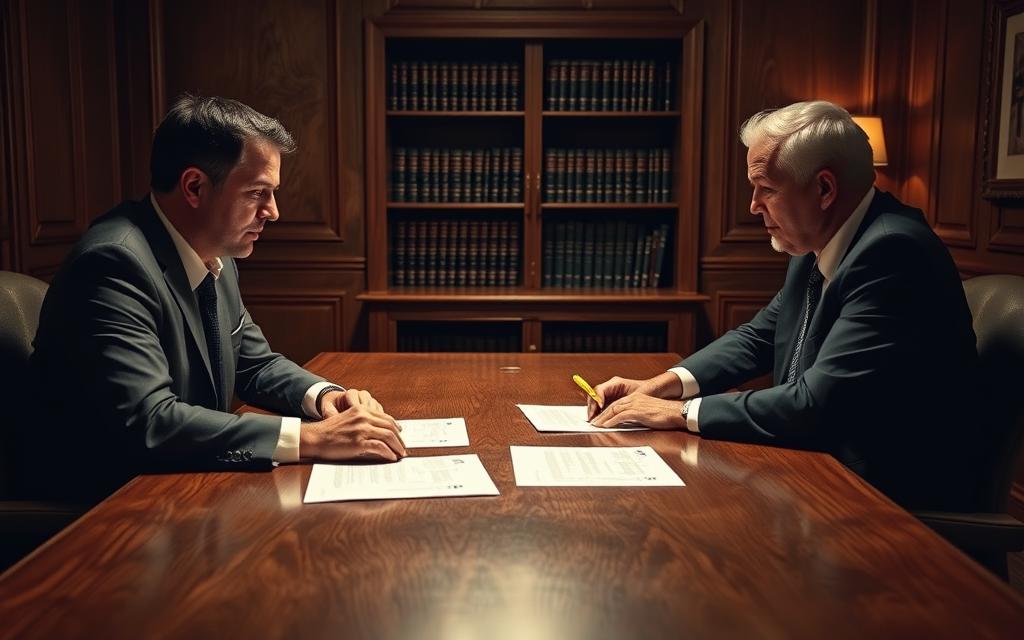
When you accept a plea deal, you take big steps. These steps can change your DUI sentence and your future. You must be careful and dedicated.
Critical Steps After Plea Agreement
- Formally enter the plea in court during scheduled hearing
- Complete required court-mandated programs
- Attend mandatory alcohol education classes
- Document compliance with plea agreement terms
Preparing for Sentencing
Getting ready for sentencing is very important. You should collect documents that show you’re serious about changing. This could be:
- Character reference letters
- Proof of completed counseling sessions
- Evidence of community service
- Personal statement explaining lessons learned
The DUI plea deal process needs your active participation. Showing real remorse and a commitment to change can help the court. Every step you take shows you’re responsible and can lead to a better outcome.
It’s smart to keep talking to your lawyer during this time. They can help you meet all the requirements. They can also guide you on how to prepare for the final sentencing hearing.
Resources for DWI Offenders
Dealing with a DWI charge is tough. But, there are many resources to help you avoid jail and start over. Getting help from a DUI attorney is key to finding the right support and programs.
Support Networks for Recovery
People with DWI charges can find help in support groups. These groups help tackle problems and show personal growth. They are important for avoiding jail time.
- Alcoholics Anonymous (AA) support groups
- Professional counseling services
- Substance abuse treatment centers
- Court-mandated rehabilitation programs
Legal Support Options
Legal help is vital for those with DWI charges. There are many ways to get affordable legal help:
| Resource Type | Description | Cost |
|---|---|---|
| Public Defenders | Court-appointed attorneys for low-income individuals | Free |
| Pro Bono Legal Services | Volunteer lawyers giving free legal advice | Free |
| Legal Aid Organizations | Non-profit groups with low-cost legal help | Low-cost |
Rehabilitation and Personal Growth
Joining rehab programs can change your legal situation. Being active in these programs shows you’re serious about getting better. It can help with your plea and sentence.
- Comprehensive addiction treatment programs
- Individual and group therapy sessions
- Defensive driving courses
- Mental health counseling
Conclusion: Navigating DWI Plea Negotiations Wisely
Getting through DWI plea negotiations needs smart legal planning. It also needs knowing the possible outcomes. People facing DUI plea bargains should think carefully and get help from experts.
Legal experts are very important in these talks. They can look at possible results, see risks, and plan a strategy. Knowing the legal side of DUI plea bargains can really help.
After a DWI arrest, there are big choices to make. You must think about the good and bad of plea talks. Things like past crimes, blood alcohol levels, and state laws matter a lot.
Getting legal advice is the best way to handle DWI cases. With the right help, you can find the best outcome for your situation.



Leave a Comment