
How Driver Behavior and Distracted Driving Shape Legal Liability
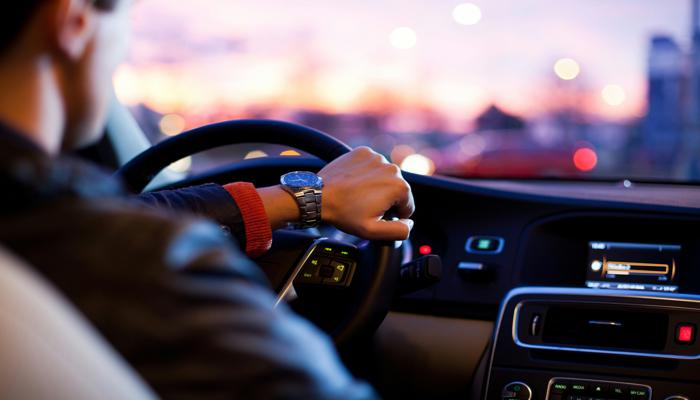
How driver behavior and distracted driving shape legal liability in car accidents. Learn how negligence, fatigue, and impairment impact court decisions.
Driver behavior and distracted driving play a major role in legal liability after car accidents. Courts focus on negligence, such as texting, fatigue, or impairment, to determine responsibility. Even with advanced car technology, liability often comes down to the driver’s choices behind the wheel.
These days, most cars have become infused with so many smart features that a lot of people think it’s safe to just leave these vehicles to their own devices and not think much of how they can contribute to safety. With automatic braking systems, blind-spot detection, lane departure alerts, it’s easy for some drivers to get the wrong picture: that their cars can keep them safe, which means nothing else is needed from them anymore.
However, this is entirely wrong. Sure, these features do help. But it is still up to the driver to drive safely. These features can only go so far to reduce car accidents. Being a distracted and neglectful driver will most definitely lead to accidents even with all these safety features just within arm’s reach.
This is why liability in courtrooms across the country still comes back to the same thing: what the driver chose to do, or not to do, in the seconds before the crash.
The Pull of Distraction
A lot of people have picked up the bad habit of checking their phones while driving. Some say that just a quick glance at a notification or text won’t do much harm. How wrong this kind of thinking is.
Not a lot of people are able to ignore distractions while driving. Those who do succumb to different distractions almost always end up in some kind of accident. Always bear in mind that distracted driving is one of the most common reasons why accidents occur. It’s not just about texting, either. Eating, playing with GPS, or even just turning to talk to someone beside them or behind them for just a split second could lead to an accident. Attention slips should be avoided at all costs.
In court, distraction is considered as negligence. After all, the driver always has the choice to look away and focus on the road. These days, phone records and dashcam footage, plus witness statements, can show just what was happening right before impact. This kind of evidence decides whether a victim gets compensation or the driver ends up paying the price for just a split-second decision.
Impairment: A Choice With Heavy Consequences
If you add alcohol or drugs into the picture, the chances of an accident occurring become significantly higher. Believe it or not, but dozens of people actually die everyday because someone chose to drive impaired.
Driving impaired is one of the clearest paths to liability. The law is very strict in cases like this. After all, there is nothing random about impairment.
Fatigue That Feels Invisible
Accidents due to fatigue are tricky since fatigue doesn’t show up on a breathalyzer at all. Plus, it also doesn’t leave a phone record. And yet, it can be just as dangerous as drunk driving.
Drivers that fall asleep on the wheel even for just a few seconds can cause a huge accident that could take the lives of other drivers and pedestrians as well. Research shows that drivers who don’t have ample rest are more likely to end up in an accident. Therefore, it’s important for drivers to be well-rested before they drive. This is especially true if the drive is long or the destination is far.
Liability Comes Back to Behavior
Liability always circles to duty of care. Drivers need to always be alert and attentive. They also need to be sober. When this duty is broken, accidents happen and negligence becomes clear.
This is why driver behavior is very important. Sure, technology can capture clues. However, the core question remains the same: Did the driver act in a way that put others at risk? If the answer is yes, liability will definitely follow.
Closing Thoughts
While factors like road conditions, technology, and vehicle design are considered by the law in an accident, liability tends to lean heavier on driver behavior. Being distracted, impaired, or tired puts people at risk. Plus, they put drivers directly in the path of legal responsibility.
Behind every case file and every courtroom debate, the message stays the same: safe driving isn’t just about avoiding a crash. Instead, it’s about owning the choices that could prevent one.

FAQs
- How does distracted driving affect accident liability?
Distracted driving often counts as negligence in court. If a driver looked at their phone or lost focus, liability falls on them. Evidence like phone records or dashcams often proves fault. - Can car safety features prevent legal responsibility?
No, safety features don’t erase liability. Courts still hold drivers accountable for their actions. Technology helps reduce risks, but driver choices matter most. - Why is fatigue compared to drunk driving in liability cases?
Fatigue lowers alertness just like alcohol. Drivers who fall asleep or react slowly put others at risk. Courts consider it negligence when rest is ignored. - What role does impairment play in crash liability?
Driving under alcohol or drugs nearly always leads to liability. Impairment is preventable and heavily penalized in court. Choosing to drive impaired is seen as reckless. - Does driver behavior matter more than road conditions?
Yes, driver behavior usually carries more weight in liability. Even with bad roads or poor weather, safe driving can prevent accidents. Courts look first at how responsibly the driver acted.



Leave a Comment